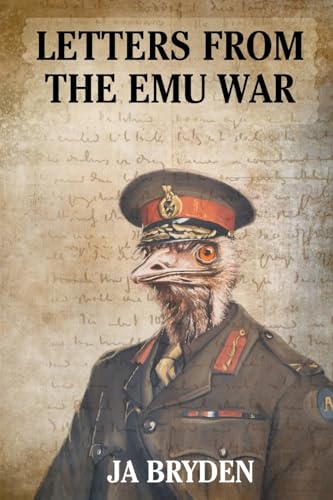
Introduction: The Flightless Fiasco
History is full of strange tales, but few are as feather-brained as the Great Emu War of 1932. This real-life event saw the Australian government deploy military troops armed with machine guns against a swarm of emus in Western Australia. The result? A strategic and public relations disaster that ended with the birds claiming a feathery victory. The Great Emu War might sound like a parody, but it’s one of the most unusual moments in military history.
The Backstory: From Battlefield to Wheat Fields
After World War I, many Australian soldiers were awarded plots of land in Western Australia to take up farming. As the Great Depression hit, these farmers faced declining wheat prices, poor soil, and relentless drought. But the final straw came in the form of an unexpected and decidedly unmilitary foe: emus.
These large, flightless birds migrated inland after their breeding season, and by late 1932, an estimated 20,000 emus were wreaking havoc on farmland near Campion. They trampled wheat crops, destroyed fences, and invited smaller pests like rabbits to join the destruction. Frustrated and desperate, the farmers petitioned the government for help.
The War Begins: Enter the Australian Army
In an unorthodox decision, the government responded by deploying the military. Led by Major G.P.W. Meredith of the Royal Australian Artillery, the mission included two soldiers, two Lewis machine guns, and 10,000 rounds of ammunition. Their goal was simple: reduce the emu population and protect the crops.
The operation began in November 1932. However, the emus had no intention of marching neatly into machine-gun range. The birds moved in small, fast-moving flocks, and their erratic running patterns made them nearly impossible to hit. Even when the army managed to get within range, many emus took several bullets and kept running.
One attempt to use a truck-mounted gun failed miserably. The terrain was too rough, and the gunner couldn’t get a clear shot. Meanwhile, the emus escaped unscathed.
The Battle Report: Birds 1, Army 0
After several days of chasing birds and firing wildly, the numbers told a humiliating story. Thousands of rounds had been fired, yet only a few hundred birds were killed. The emu population remained largely unaffected.
Major Meredith summed it up best: “If we had a military division with the bullet-carrying capacity of these birds, it would face any army in the world.”
By early December, the government had seen enough. The military was withdrawn, and the emus continued their campaign of crop destruction. The Great Emu War was officially over—and the emus had won.
Comic Relief Corner: The Feathered Follies
Let's take a light-hearted look at the most absurd moments of the Great Emu War:
- War Declared on Birds: Australia literally sent soldiers to fight emus. Not metaphorically. Not in jest. With actual machine guns.
- Feathered Guerilla Tactics: The emus split into small flocks and used evasive maneuvers. Soldiers described them as if they were trained insurgents.
- The Bulletproof Emu: Some birds took multiple hits and kept running. It was like fighting the Terminator, but fluffier.
- Truck-Mounted Disaster: In one operation, a gun was mounted on a truck to chase the emus. The terrain was so bumpy, the gunner couldn’t aim. Emus: 1. Machine gun: 0.
- Press Mayhem: Newspapers mocked the effort, reporting on the birds’ strategic brilliance and the army’s baffling defeat.
Lessons Learned: What the Emus Taught Us
Despite the absurdity, the Great Emu War offers real-world lessons:
1. Assess the Problem Before Acting: The government’s militarized response was overkill. A more measured approach—like better fencing or pest control—would have been cheaper and more effective.
2. Don’t Underestimate Nature: The emus were surprisingly resilient and tactical. Nature doesn’t play by human rules.
3. Bigger Isn’t Always Better: Sophisticated weaponry doesn’t guarantee success. In fact, it can backfire when used inappropriately.
4. Bureaucratic Overreach Can Be Embarrassing: Public perception matters. The Great Emu War became a symbol of government overreaction and mismanagement.
5. Simpler Solutions Often Work Best: Ultimately, farmers turned to fencing and bounty systems—both low-tech and highly effective.
Conclusion: A War Worth Remembering
The Great Emu War of 1932 may have been a fiasco, but it remains a favorite piece of Aussie folklore and a cautionary tale about bureaucracy, hubris, and the limits of human control over nature. Though the battle was lost, the legend lives on—a feathered footnote in the annals of military history.
Have your own ridiculous story of government gone goofy or nature proving who's boss? Drop us a comment below or reach out—we'd love to feature it!